Clay, Kilns, and the Craft of Canadian Studio Pottery
A reference covering hand-building methods, firing techniques, glaze chemistry, and the studio culture that defines contemporary pottery across Canada.
From Coil to Kiln: The Full Arc of Studio Pottery
Studio pottery in Canada draws on traditions ranging from Anishinaabe clay work to European wheel-throwing lineages introduced by immigrant craftspeople. Each firing method — electric, wood, gas, or raku — leaves a distinct mark on the finished piece.
Kiln Types ExplainedRecent Articles
Detailed reference material on clay arts, from foundational hand-building exercises to the chemistry behind high-fire glazes.


Pinch Pots
The simplest clay form — a thumb pressed into a ball of clay — remains a reliable diagnostic for body memory, centring, and wall thickness control.
Coil Construction
Long ropes of clay stacked in spirals produce vessels that exceed the size limits of the wheel, from floor vases to sculptural columns.
Slab Building
Flat sheets of clay cut and assembled like cardboard allow angular forms, textured surfaces, and architectural shapes outside the vocabulary of wheel work.
Glaze as Material Science
A glaze is a glass layer melted onto ceramic. Its colour, texture, and durability depend on silica content, alumina ratios, flux selection, and firing atmosphere. Many Canadian studio potters formulate their own glazes from raw materials rather than purchasing pre-mixed compounds.
Read the Chemistry Guide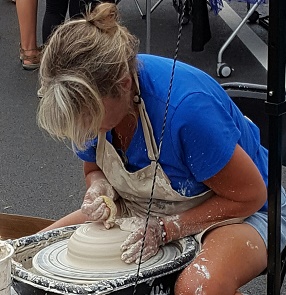
The Wheel as a Daily Practice
Wheel-throwing develops through repetition rather than instruction. Canadian studios — from Halifax loft spaces to Vancouver Island cooperatives — typically measure progress in pounds of centred clay per session, not in finished pieces. A 900-gram bowl might represent an hour of work on day one and four minutes six months later.
Beginner TechniquesGet in Touch
Questions about pottery techniques, kiln sourcing, or Canadian clay suppliers? Use the form below and expect a reply within two business days.
Send a Message